The violence of avoidance.
What four people will do to keep from being seen clearly.
A dead frontman's will forces four estranged bandmates into a week-long creative lockdown at his mansion. The reunion that was meant to heal becomes a reckoning with the self-deceptions that have defined the last decade of their lives.
I set out to make a horror film with no monster in it. The longer I worked, the clearer it got: the monster is the people. It always is.
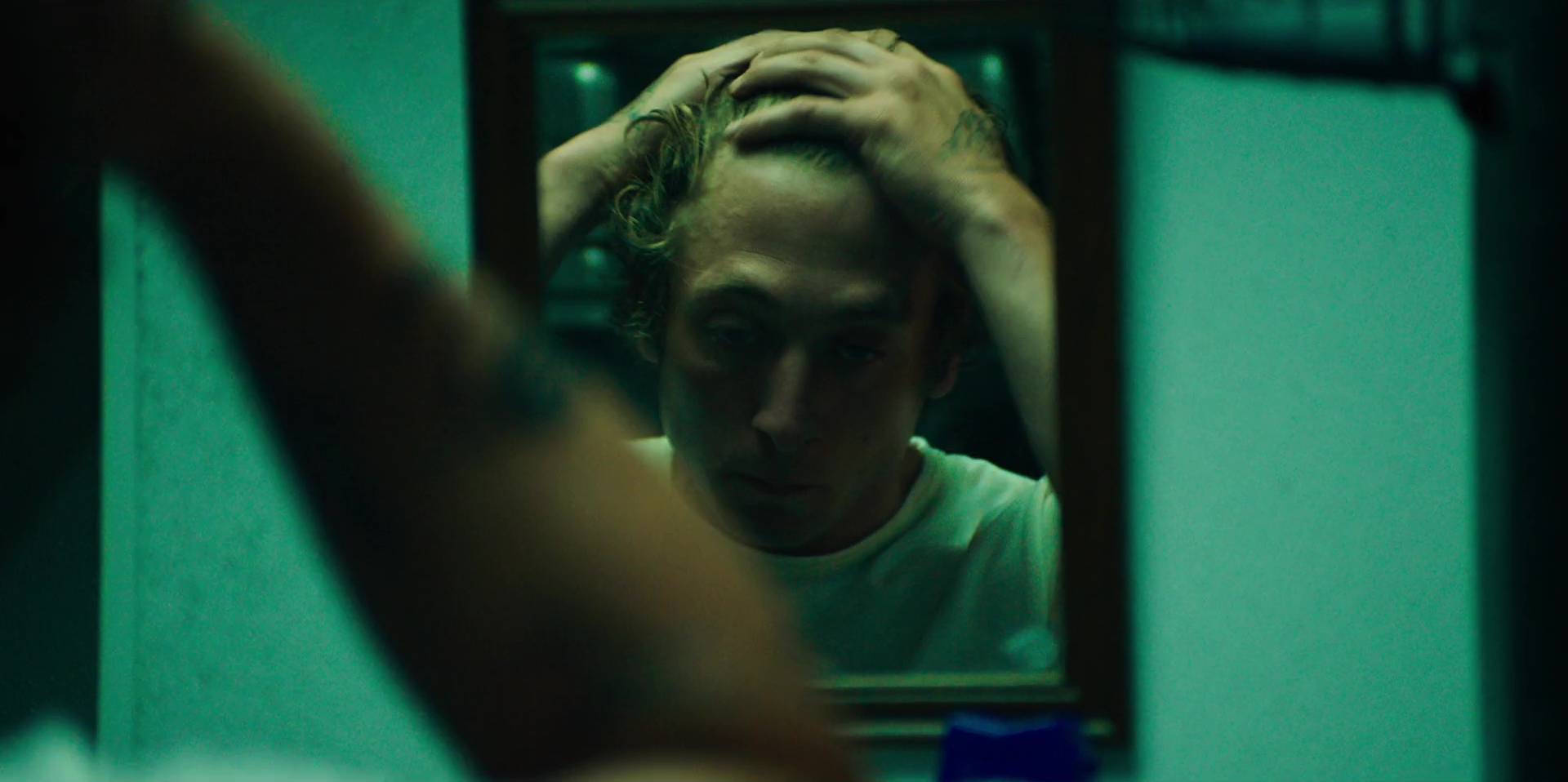
Riot Tempo locks four former bandmates in their dead frontman's house for a week and takes away the one thing they've leaned on for ten years: the ability to keep editing the story in their own favor. What surfaces isn't the past. It's the part of each of them that would rather perform, sabotage, or burn the place down than be seen clearly.
I know that instinct from the inside. We protect the story instead of the truth and call it survival.
And the cruelest joke in the film is the truest one. The only honest thing these four ever make, they make by accident, and the world takes it from them before they understand what it was. Meaning arrives late, and rarely for the people who earned it.
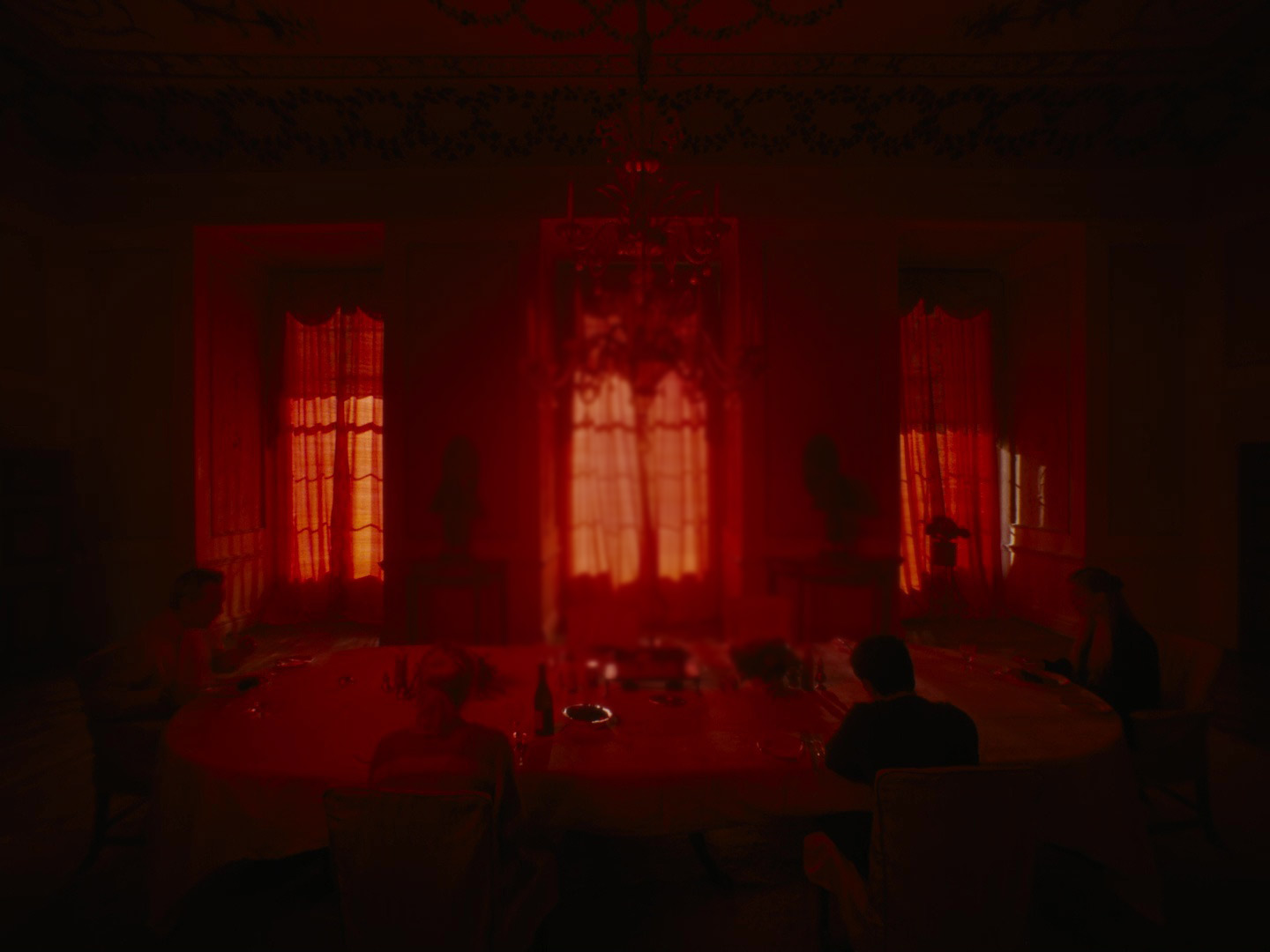
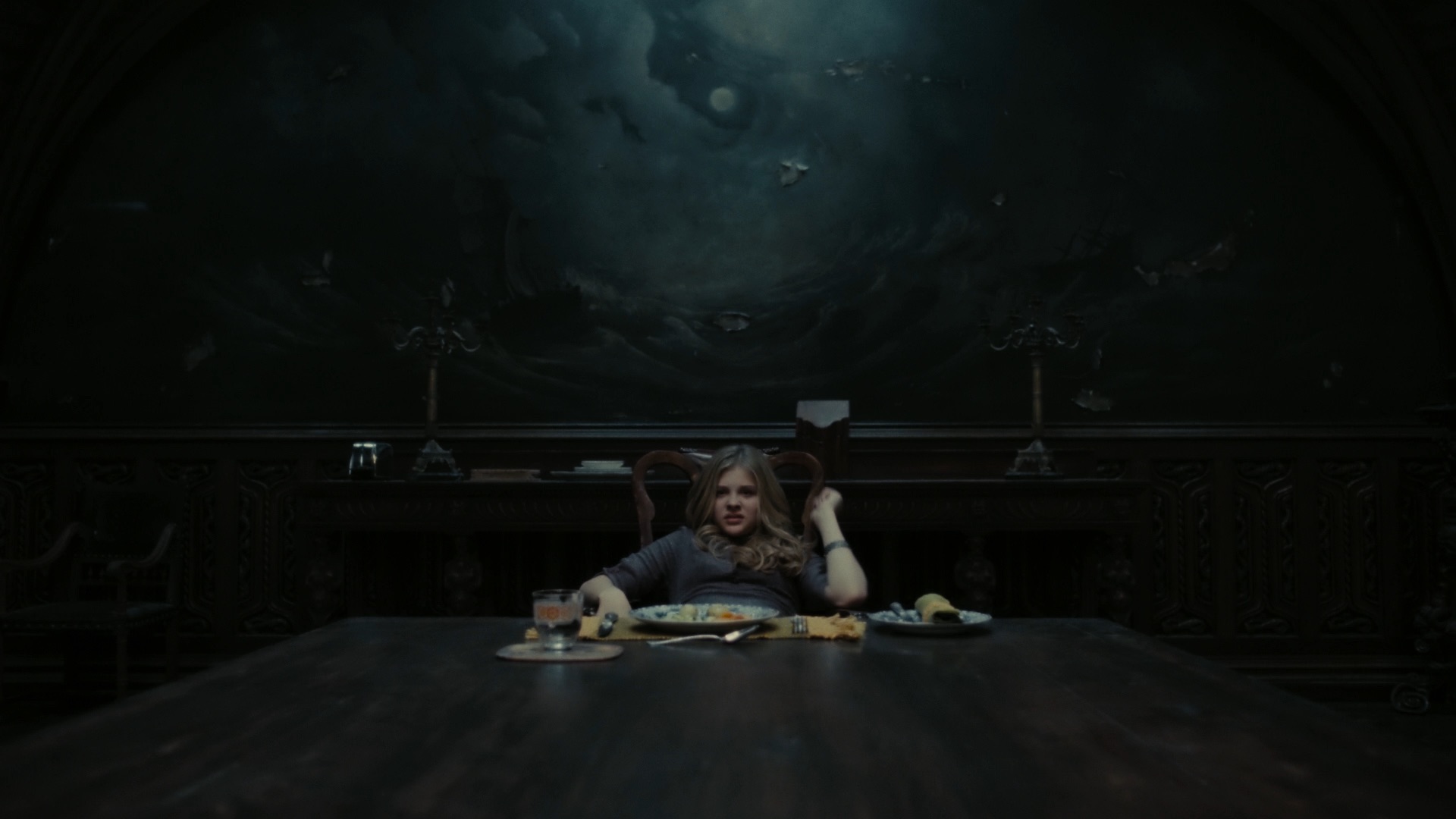
A single location. The dead frontman's mansion, built as a monument to the band that never quite made it. His taste, his obsessions, his unfinished business. He never appears on screen. He is in every room.
His will is one last act of manipulation from the man at the center of the accusation that ended them ten years ago. It locks them in for a week, with conditions. Each of them has spent that decade quietly rewriting what happened in their own favor. The house takes the editing privileges away. His final act is either love, or revenge, or both. They may never know which.
Taut. Emotionally violent. Dark wit at the edges. No catharsis handed to the audience.
A funeral, then a mansion none of them have seen. Ten years ago an accusation landed on the frontman and split the band down the middle. Each of them chose a side and has been defending it ever since, in private, without the others, for a decade. Now he is dead, and his will is the last word in an argument that was never finished. It locks the four of them inside the house he built as a monument to what they almost were, for one week, on his terms. They were each other's whole world once. They spent the years since making sure they would never have to share a room again. The will reopens the wound and hands each of them the same condition. Stop editing the story.
His instructions arrive in pieces across the week, and none of them can tell whether it is his voice giving them or just the house saying it for him. The old hierarchy snaps back into place within the hour. So does the resentment. And somewhere in the first days one of them becomes certain the frontman never actually left. That he is in the walls. Still steering. The others call it grief. The house keeps not quite proving them wrong. A door that was closed. A sound with no source. A room that is not where it was. The film never lets anyone, on screen or in their seats, fully rule it out.
For ten years each of them has survived on a private version of what happened. The house strips it away one person at a time. Cole was abandoned long before the band ever formed, and he has turned "I already know how this ends" into armor bolted over "please, someone prove me wrong." He punishes Kaia's hope hardest, because her belief that they can still be saved is an accusation he can't bear. Miles built his whole self out of being the one who never compromised, and he needs the frontman ruled guilty or innocent, because the not-knowing dissolves him. Jett feels everything and lets no one see it, so she throws the unsayable into every room and keeps cutting, even at the last thing worth saving, because being the one who burns it down hurts less than being the one who gets left. Kaia keeps trying to hold them together, and watches it cost her more than she has. Then their best night in the house, the one hour the four of them lock in like they used to, turns out to be an unconscious cover of a song that was never theirs. It lands on all four at once. Proof for Cole. Humiliation for Miles. A fresh blade for Jett. The floor gone from under Kaia.
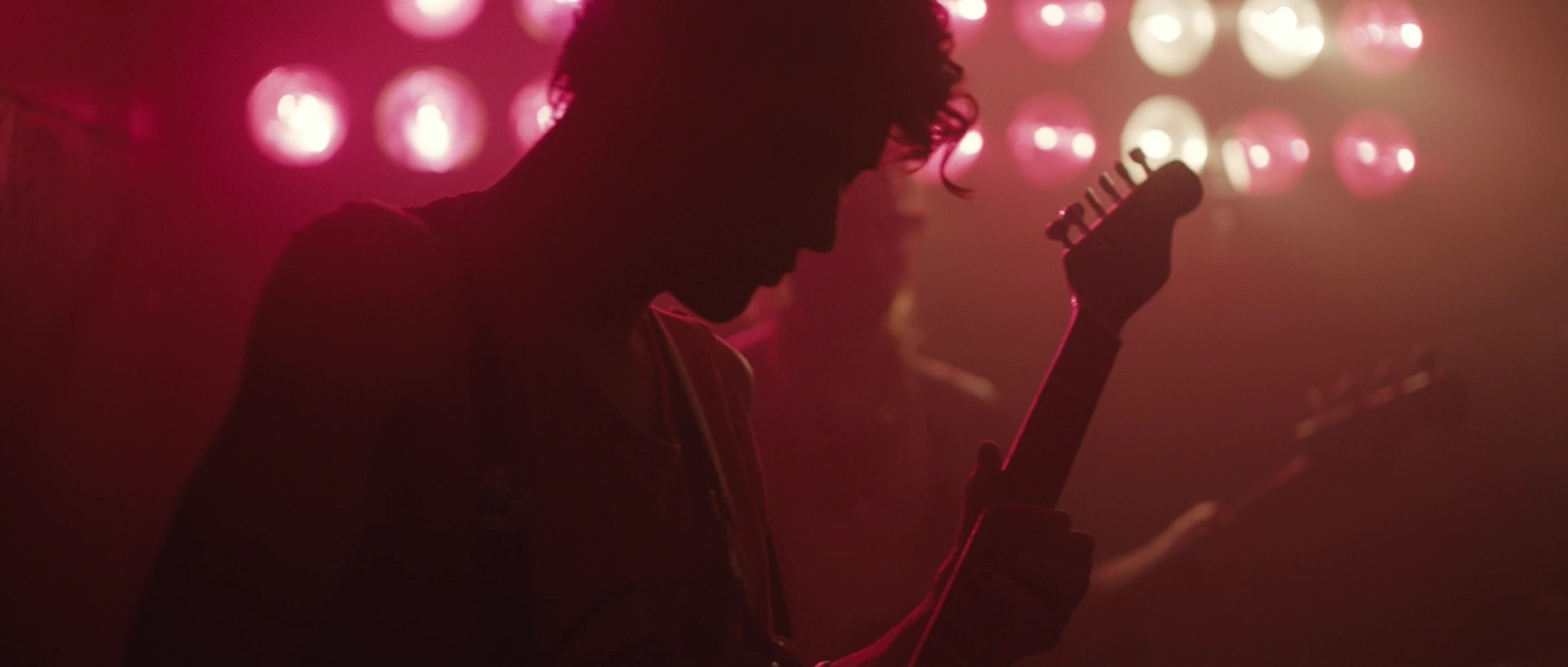
After the worst fight the house has seen, Kaia stops performing and just sings. One by one the others come in beneath her, and for the first time in ten years they make something honest, with no one fighting to own it. It is the only true thing they make all week, and it answers the other question too. The monster was never in the walls. It was in the room the whole time, in each of them. Cole, who has always believed that meaning has to cost everything, cannot survive being inside a moment that sincere, and makes a gesture that turns to tragedy.
They leave certain they failed again. The session, recorded by accident, surfaces in the world long after and becomes the biggest thing any of them ever did. Success, when it finally comes, only confirms they were always capable. It just arrives after it can no longer save anyone. None of them is in a position to know it, claim it, or be held by it. The frontman got the last word after all, and it was not the one any of them was braced for.
Survival demands illusions. Truth often arrives too late to matter.
Every argument in the house is a plea not to be seen clearly. The real antagonist is the myth of the band itself, the story each of them has been defending, and the certainty that the world will tell a cleaner version without them.
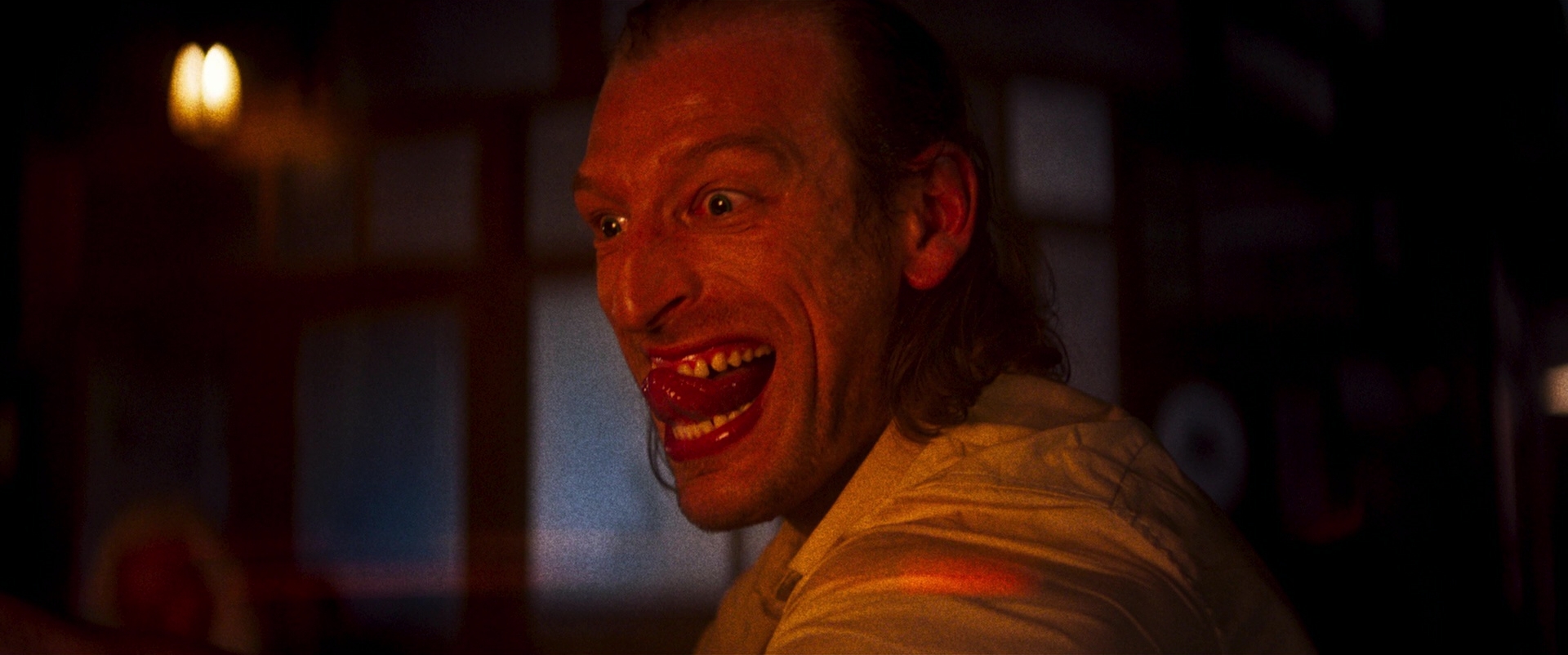
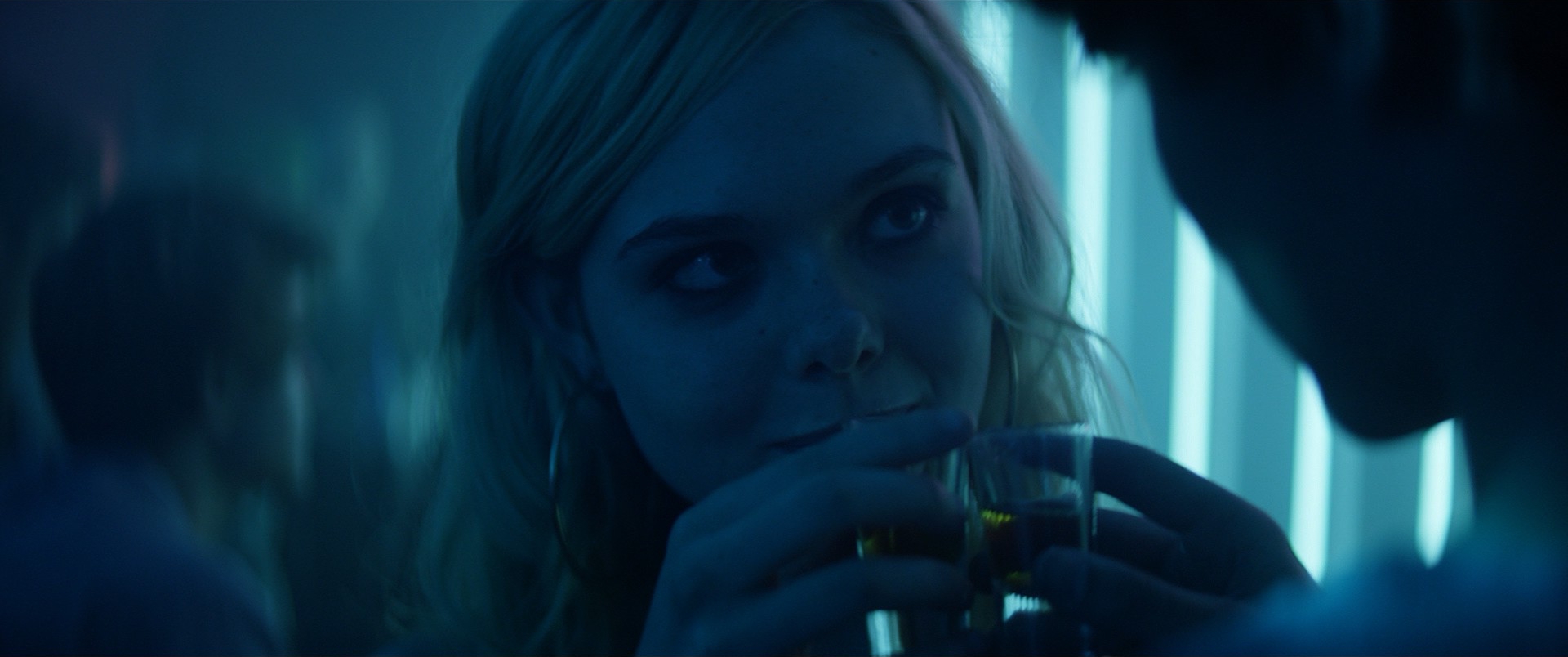
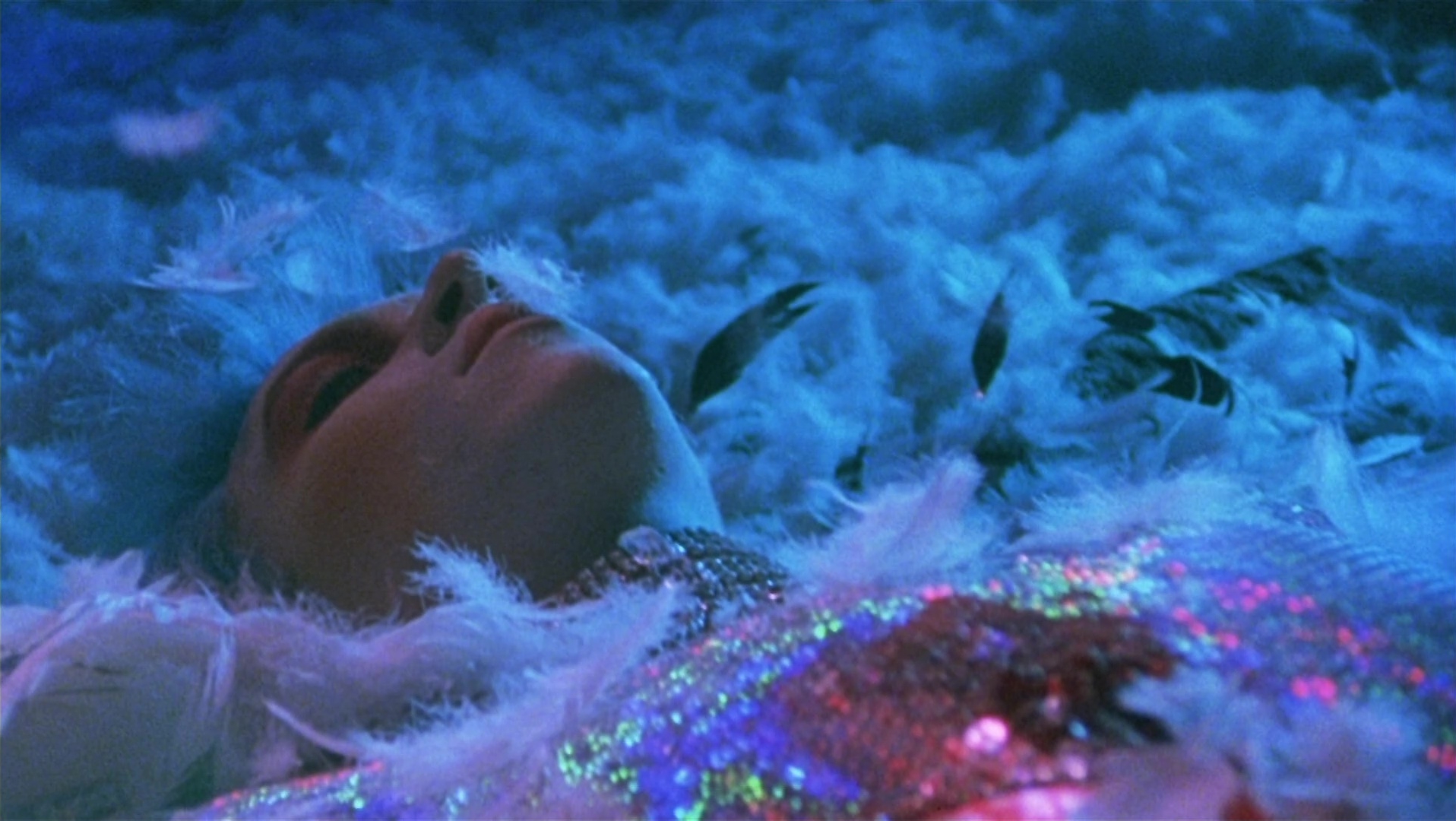
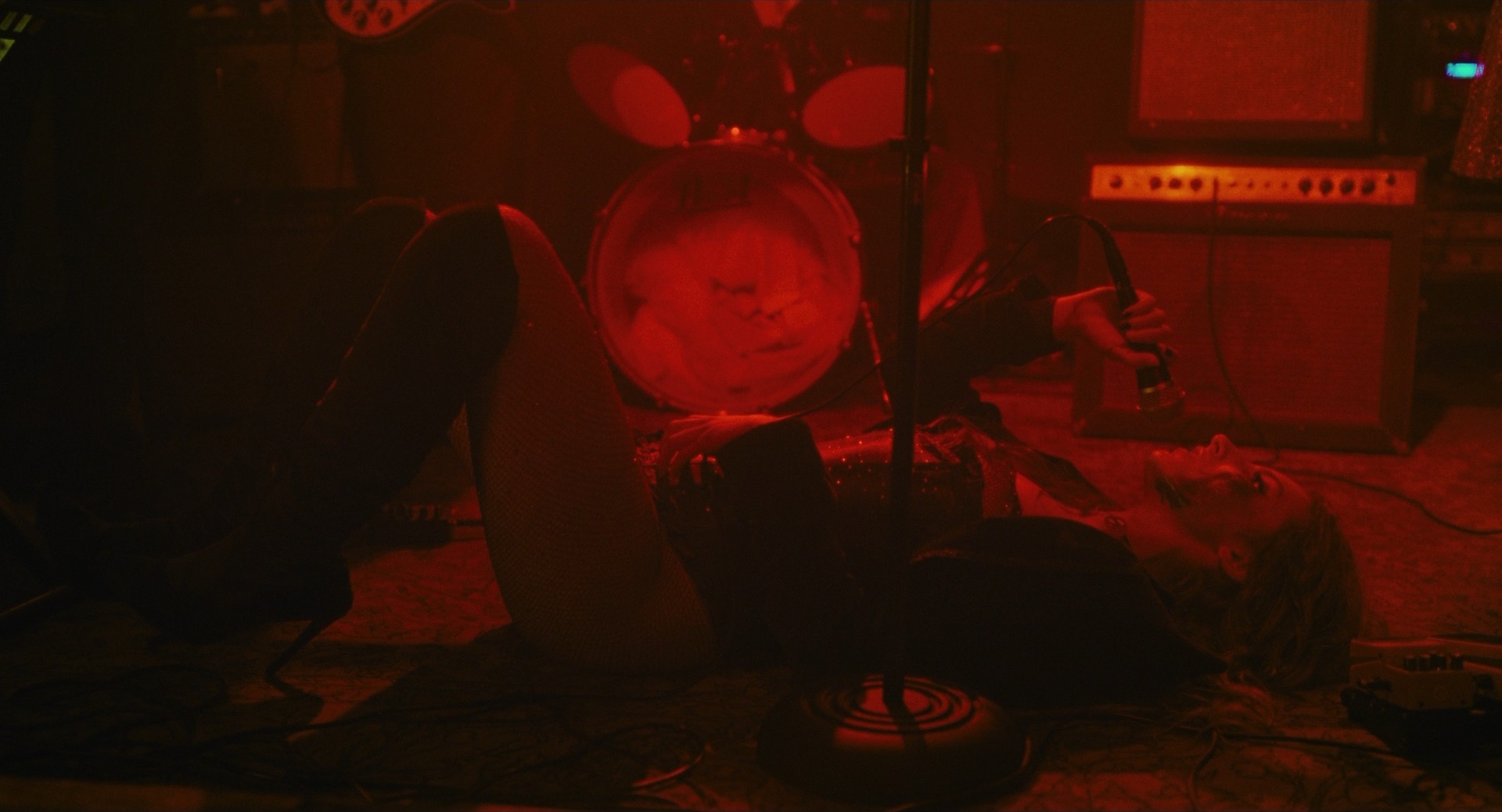
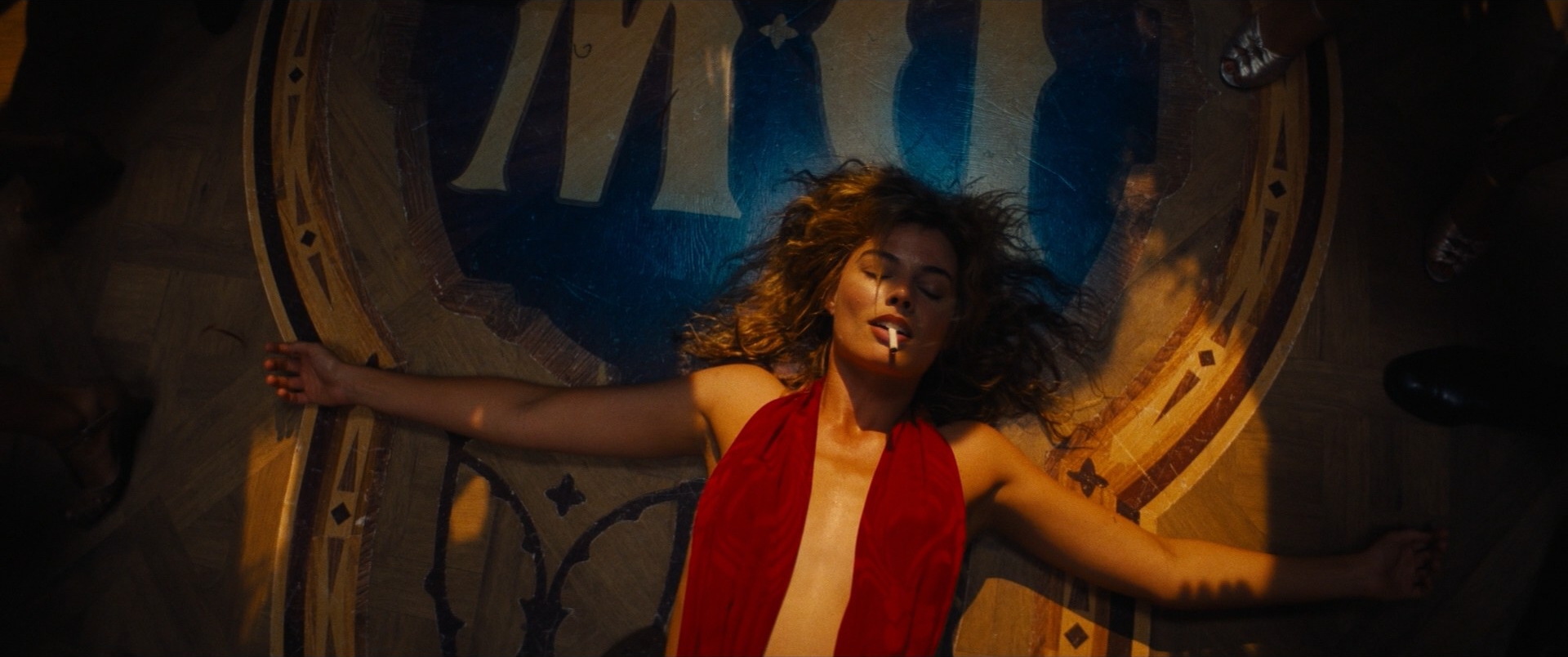
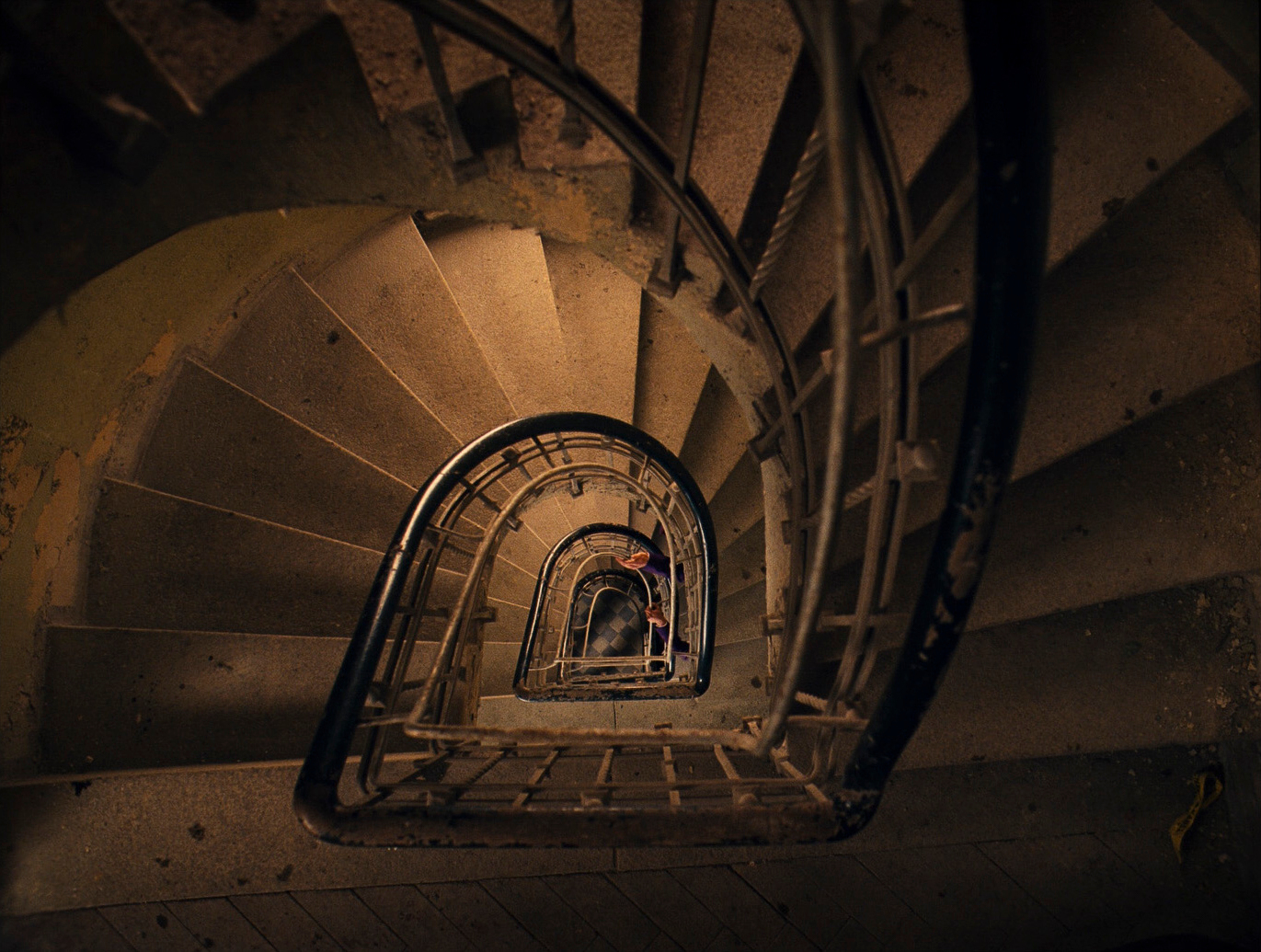
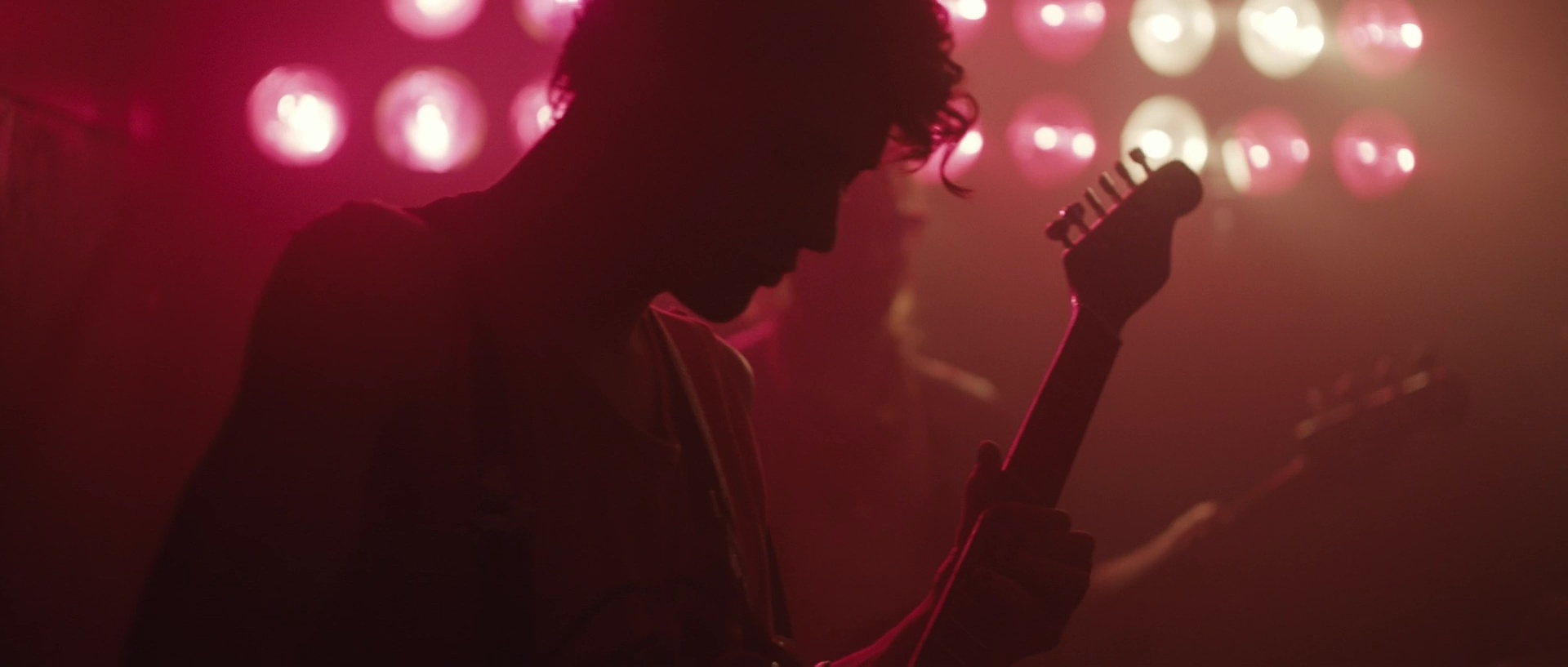
Contained dread with a surreal edge that flirts with the supernatural. A house that might be haunted. A mind that might be coming apart. Four punks sealed in the wreckage of the one electric thing they ever made together, kept faintly on fire the whole way down. Emotional violence without melodrama.
The Invitation. Carnage. The Big Chill, gone dark.
Their legacy belongs to the world now. It was never going to belong to them.