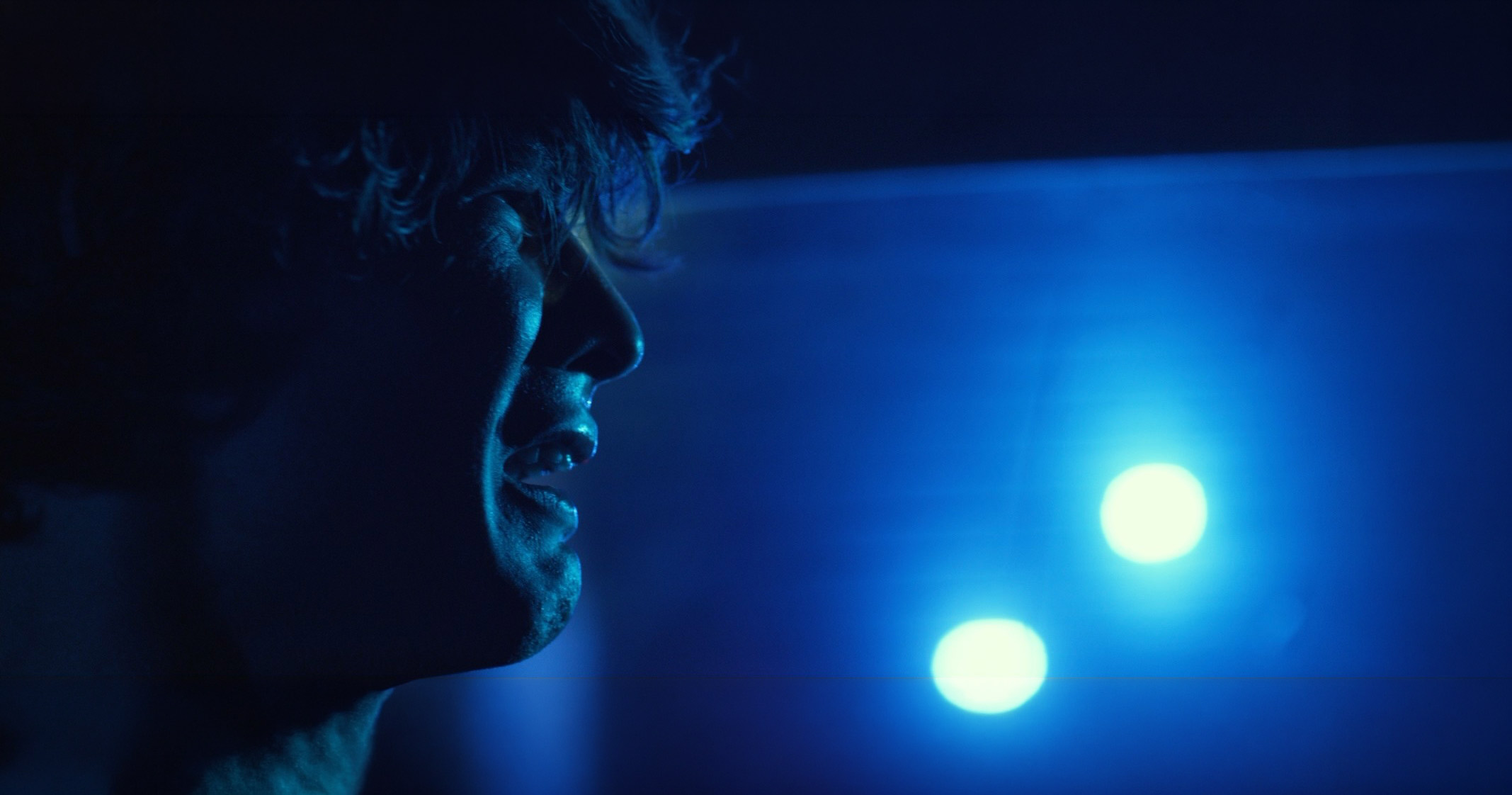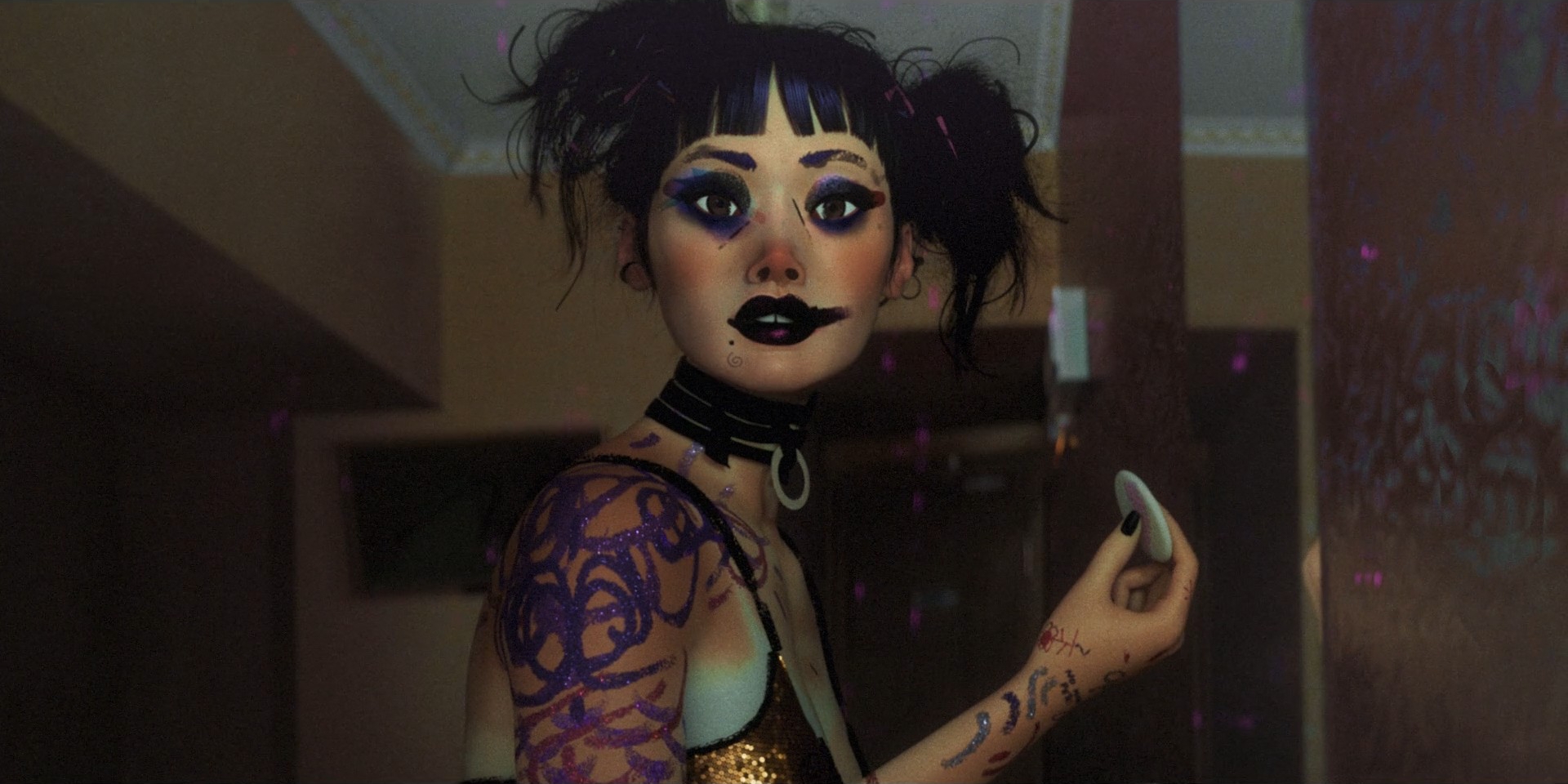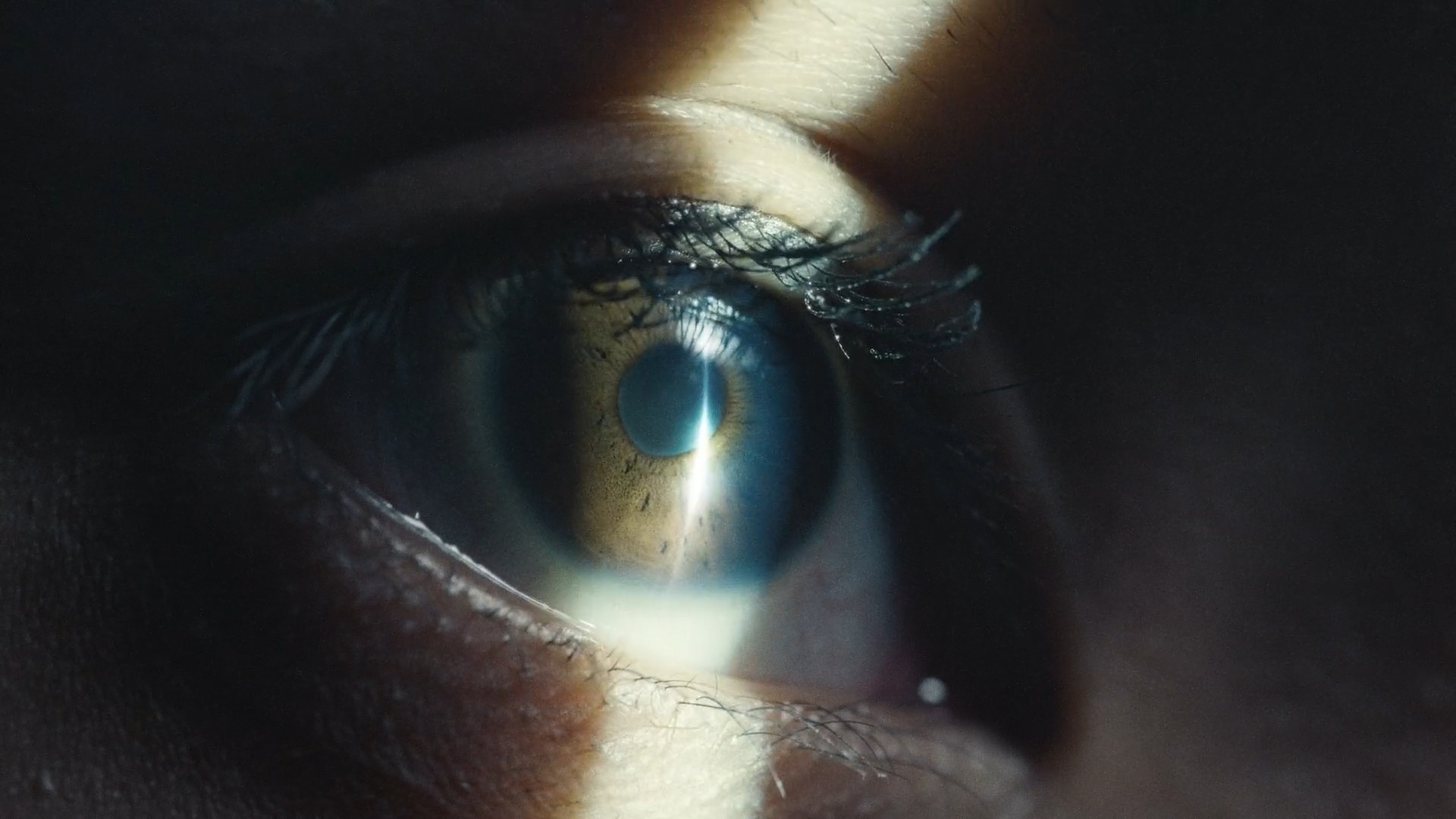
To wake up, he has to die one more time.
A perfectionist pianist wakes inside a coma he can't see the walls of. Every climb toward consciousness sends him deeper. The way out isn't up.
Lake, a gifted 22-year-old pianist, drives off a mountain road in defiance of failures he can no longer bear. Inside the coma, the dread he has spent his life refusing to feel rises to meet him, and the only thing standing between him and his own life is the man he has forced himself to become.
At nineteen, I was in a car accident. Thirty-nine injuries, briefly dead at the hospital, weeks in a coma. You Only Live Twice comes from that.
Lake. A gifted young pianist. Twenty-two. Living as an adult, still a child inside. Emotionally sealed, technically extraordinary, already running from himself before the accident strips it. The film passes through the interior architecture of the coma. The battle Lake wages against everything he forces himself to believe he must become. A child hanging from an embankment Lake can almost reach. Freerunners thundering past him into the Horror. What he must release to come back.
This is not a film I imagined. It's one I lived. Nearly three decades building the craft and the courage to make it with the authenticity it deserves.
“Based on real events” is not a marketing line. It is the description of the source.
The coma is not a framing device. The wake-up is not a metaphor. The pianist at the center of the film is a figure Kyle Cassie has been living with for thirty years, and this is the first time he has sat down to write him in full. It is not a film that could have been written by anyone else.
Lake is twenty-two and a gifted pianist whose teachers say he could be one of the great ones. The Juilliard rejection sits opened on his apartment floor. He has not told anyone. The Curtis application sits unsent at the post office where he flakes for the fourth time. He calls his mother and gets voicemail. His hands are only loose for the length of a lesson with the small student he teaches. Angel has been waiting a year for the yes she is owed. He cannot give it. He does not believe he deserves her. The dread of all of this has been rising in him long before the road.
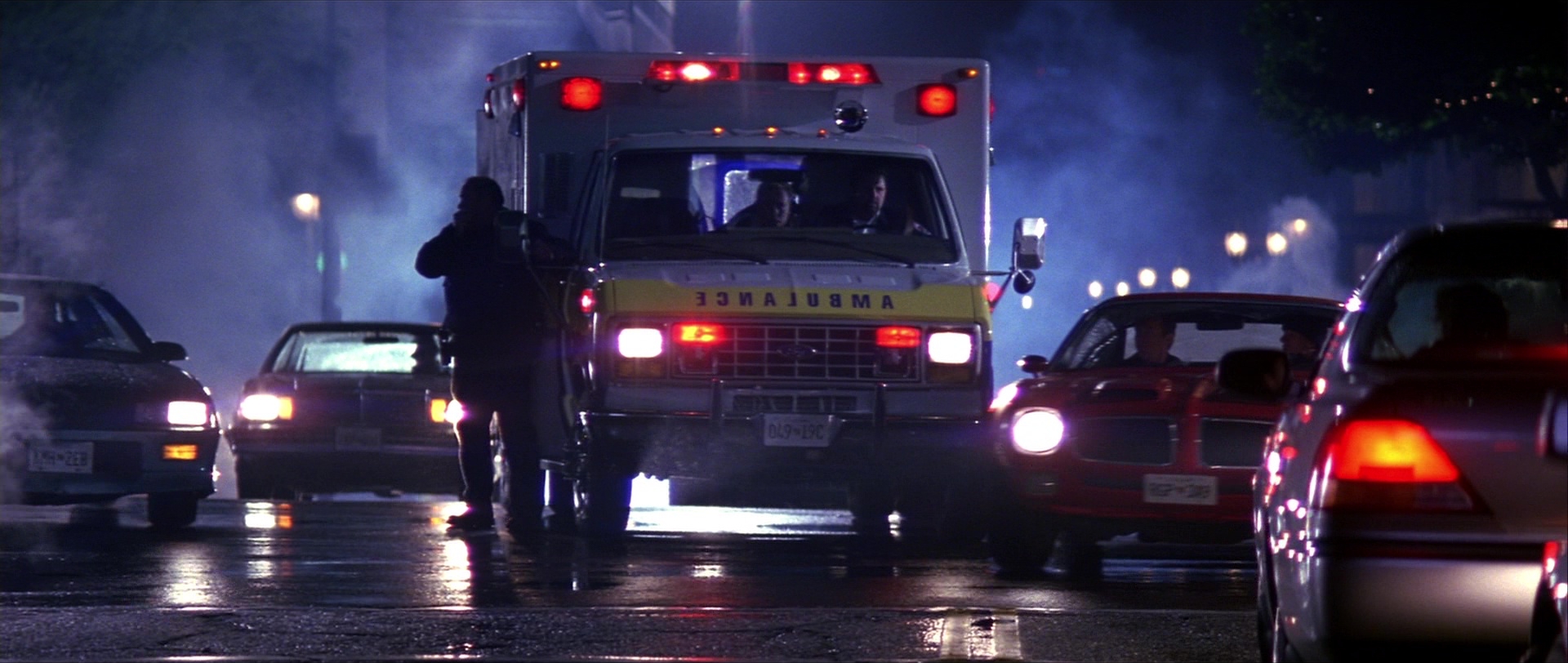
A morning later he is alone in traffic. Horns. He is saying I'm fine out loud and meaning the opposite. He turns the wheel toward the mountain pass, to the place he used to come as a kid. He stops the car. He looks down at the drop. For the first time in a year he is in control of one thing. He puts it in gear.
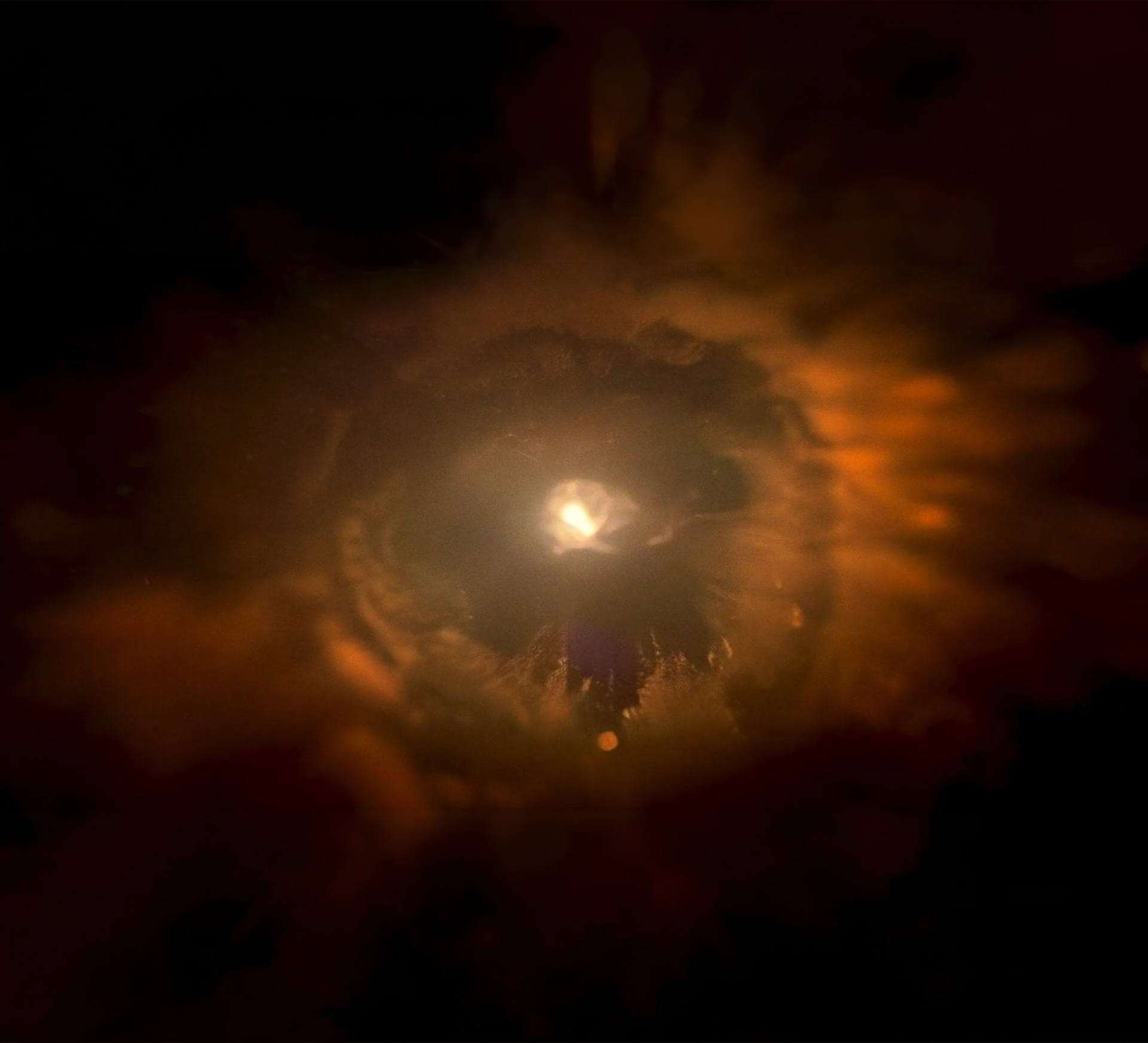
The orange rolls off the cliff. Act One ends.
He wakes in a hospital that is almost right. Aella, the nurse who oversees his care, asks him what got him there in the first place. Canon, his best friend, is at his bedside with news: a clerical error, the Curtis audition has been rescheduled, two weeks, the Great Hall is at the end of the street, all he has to do is cross. Angel is in another wing. He cannot see her yet.
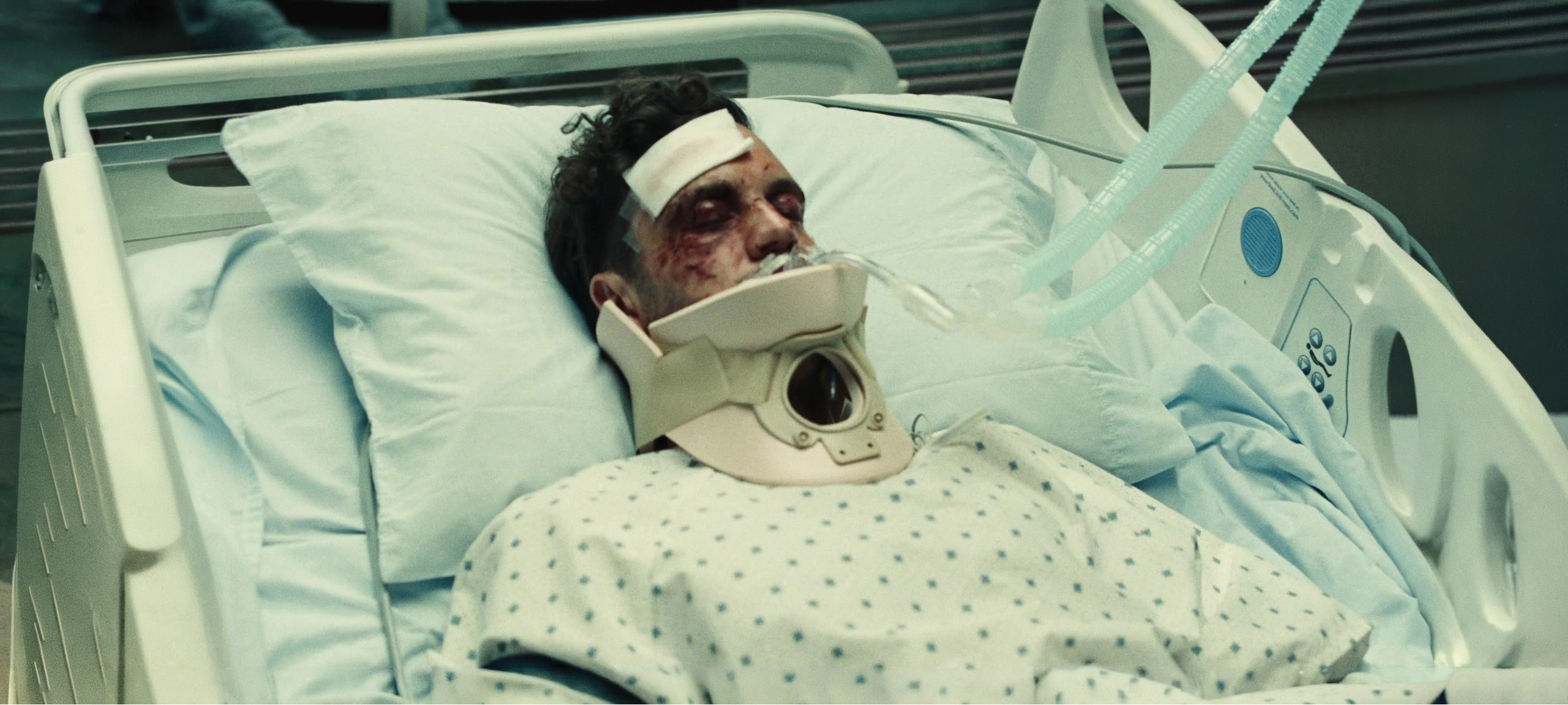
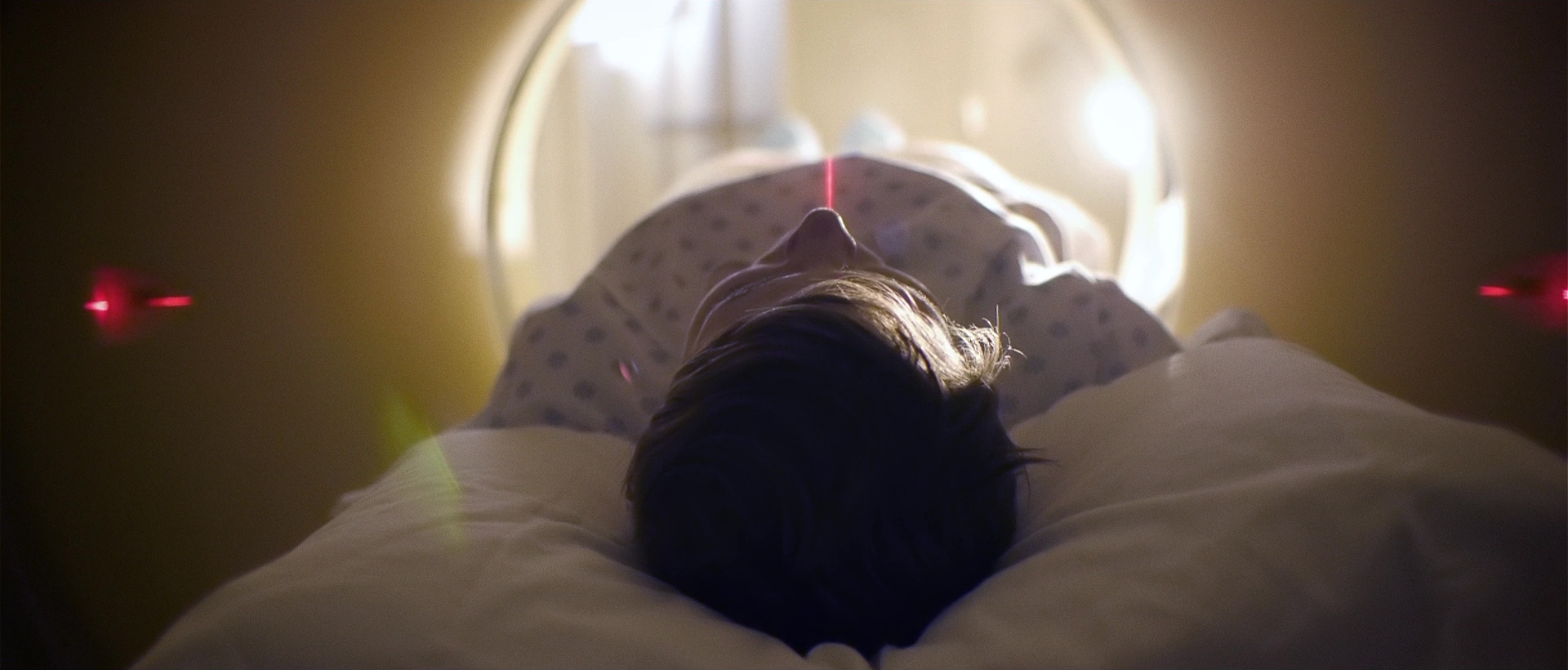
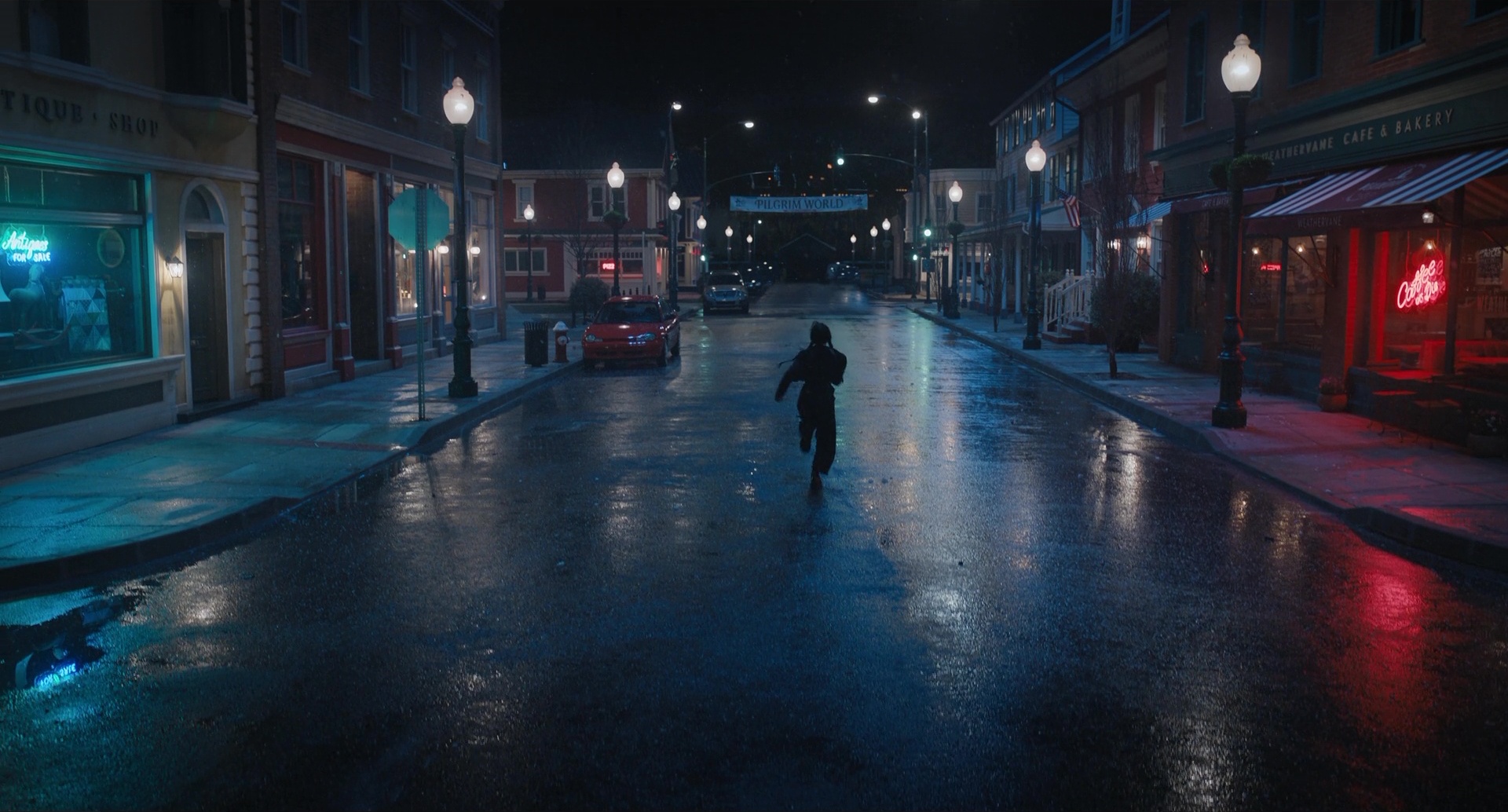
He starts walking. The street goes wrong in pieces. Freerunners move above him as a threat. Something the size of the city is rising at the horizon. In the MRI machine the wall becomes a window. He sees his own body, intubated, in an ICU bed his mother is sitting beside. He is still in the coma. He never left.
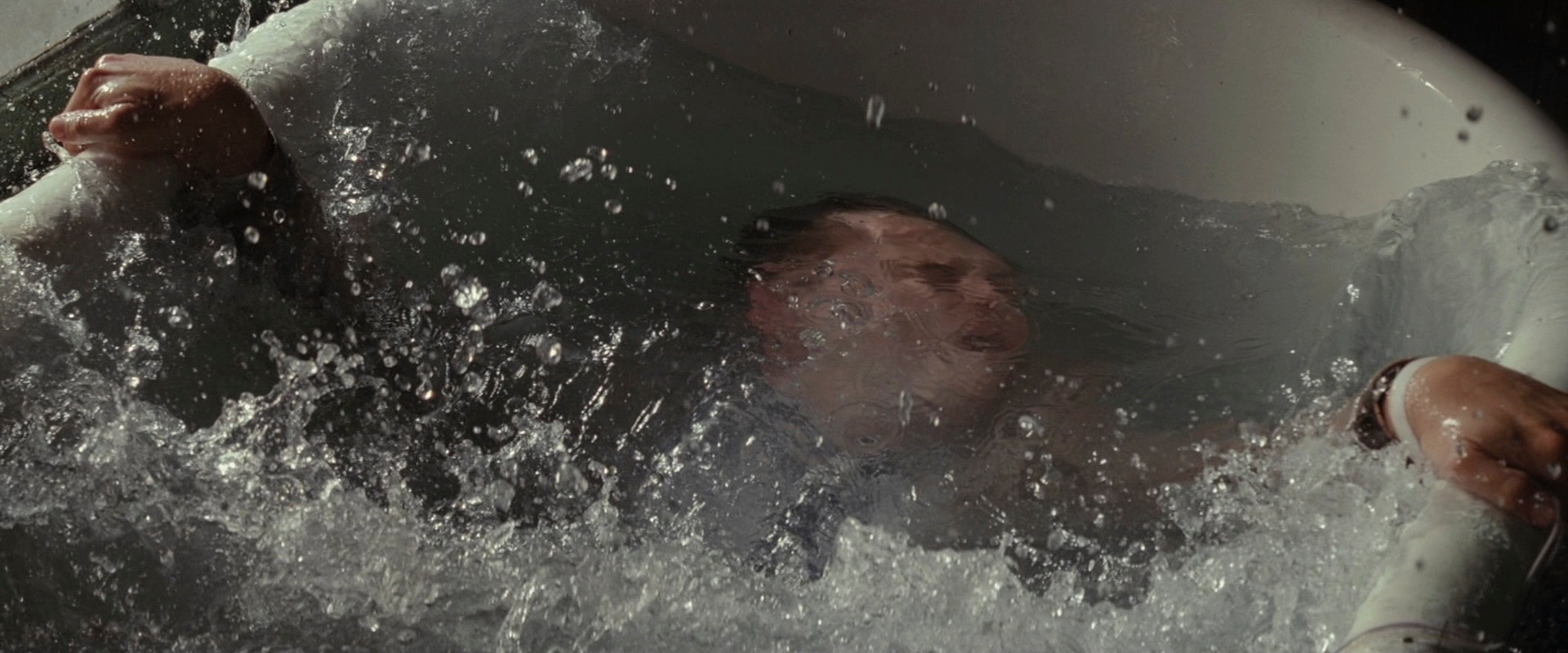
He tries to control his way out. Pinching, shouting, throwing himself against walls. Each attempt costs him more body. Aella delivers the law of this place: if he dies in here, he dies. There may be a trap door, but it cannot be searched for. The search party returns; this time he joins them, calling out for a boy whose name he does not yet know. Canon drives him to the wreck on the mountain pass and watches him in silence. The truth lands. He drove the car off the cliff. He chose it. Angel did not break him. He broke them both.
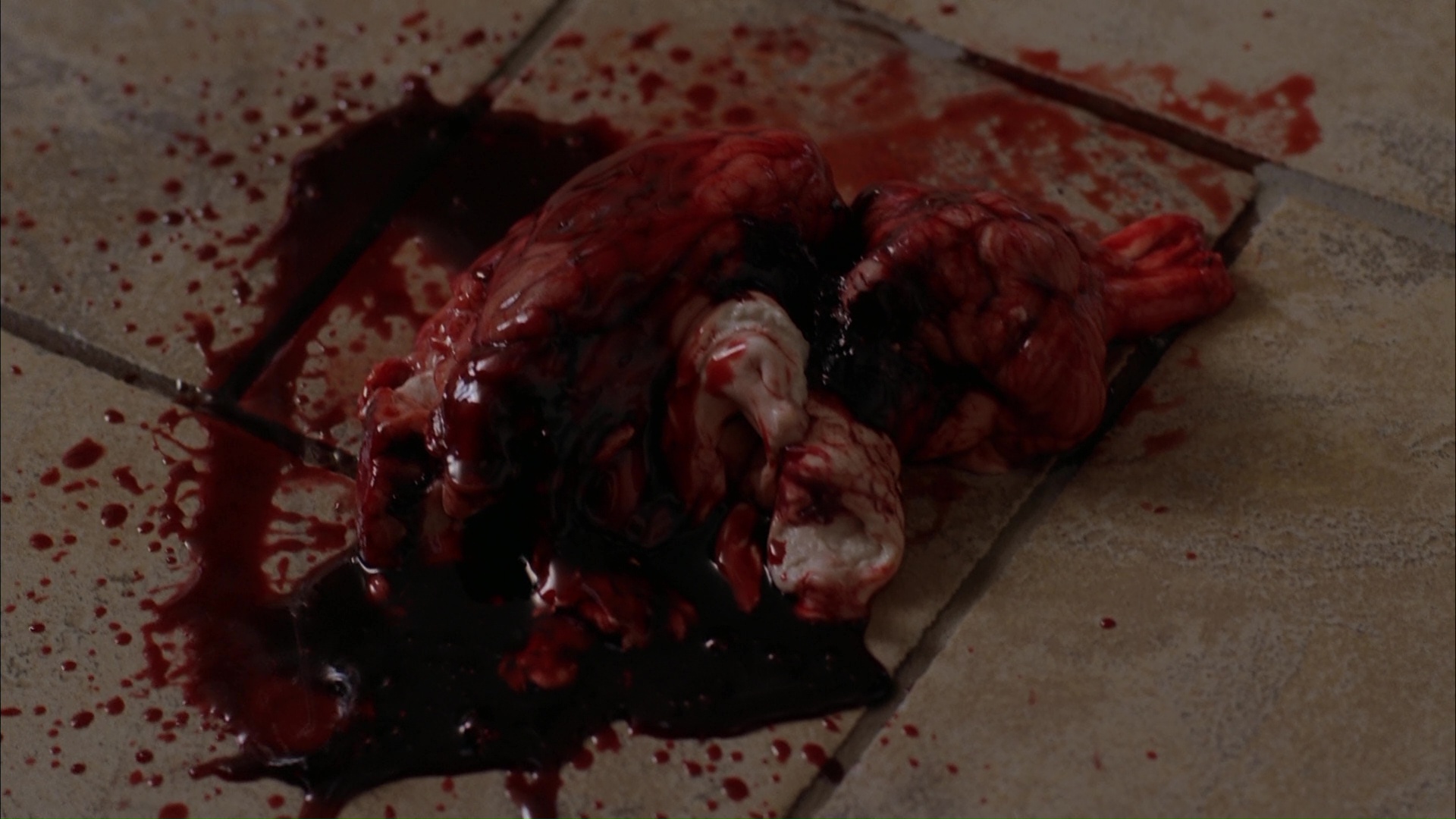
Canon shows him the operating theater. Through the glass his own body is being harvested in real time. Canon has been steering him there from the first day. Aella: your organs are on their way out. Say goodbye.
He runs. He steals Angel from her hospital room and, for the first time in his life without armor, tells her every birthday he forgot, every time she offered and he deflected. He does not ask to be forgiven. He just says it. Then, defiantly: they cannot take the audition from me. He takes her hand and they go.
He pushes into Block Three. The Horror at full scale is the dread that has waited his whole life finally meeting him. His hand crushes. He keeps walking. The Freerunners turn against the Horror. They were never the threat. They clear his path.
On the way to the Great Hall he hears a child below an embankment, hanging on. He pulls the boy up and kneels in front of him. He tells him the things no one ever told Lake. He never sees the boy's face. He leaves him at the top, safe, the search party turning the corner.
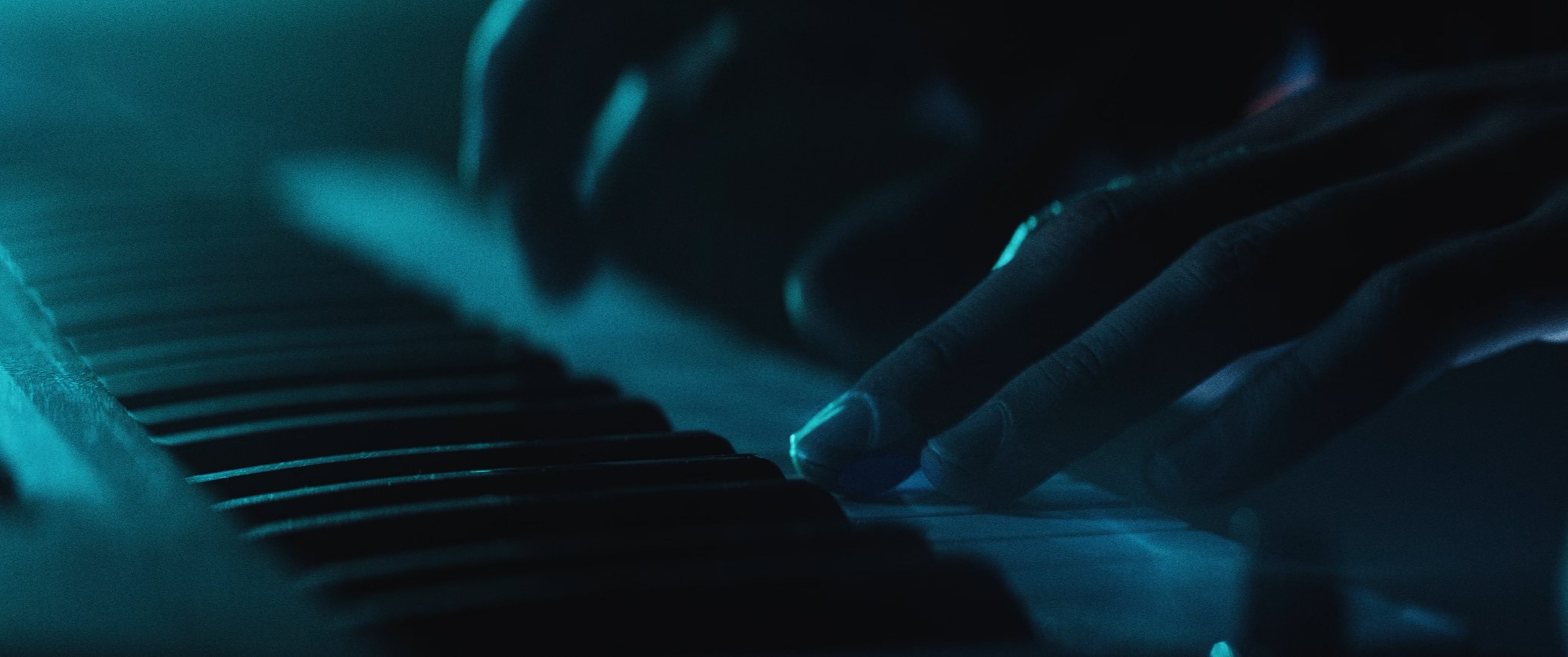
He sits at the Great Hall piano. One hand is good. One is ruined. He plays anyway. It is broken and searching and finally honest. The trap door appears in the stage floor because he has stopped looking for it. He takes Angel's hand. They go up. On the rooftop he pushes his obsessions off the edge, one by one. He releases Angel. He steps off himself.
He wakes. His family has been there every day.
Surrender is the only thing he was never taught.
He performs. He earns. He becomes so completely the man he is supposed to be that there is no room left for the man he is. He turns his gift into armor and his love into a test. The accident is not punishment; it is the violence required to crack him open. The coma is not death; it is the private room where the performance finally has nowhere left to go. It will not let him wake until he stops.
The last five years produced an audience trained to watch men disappear inside themselves. Aftersun broke an audience by watching a father withhold. The Bear turned the refusal to accept help into appointment television. Past Lives ended on the man who could not reach across the table. The cultural ear is tuned. The film where that armor finally breaks open has not been made yet.
The interior-prestige thriller is back in its commercial cycle. The Substance, The Zone of Interest, and Beau Is Afraid all found audiences by taking the inside of a mind seriously. A genre-accessible film with an autobiographical claim this specific has a lane that did not exist five years ago.
Every survivor is two people. This is the film about what it cost one of them to let the other one in.
Jacob's Ladder
For the logic of a mind stuck between two truths.
You Were Never Really Here
For the dignity a film can give a man whose mind cannot be trusted.
Eternal Sunshine of the Spotless Mind
For the ache that runs through surreal comedy without ever becoming precious.
He waited for the craft to catch up with the story.
The story has been waiting the whole time.